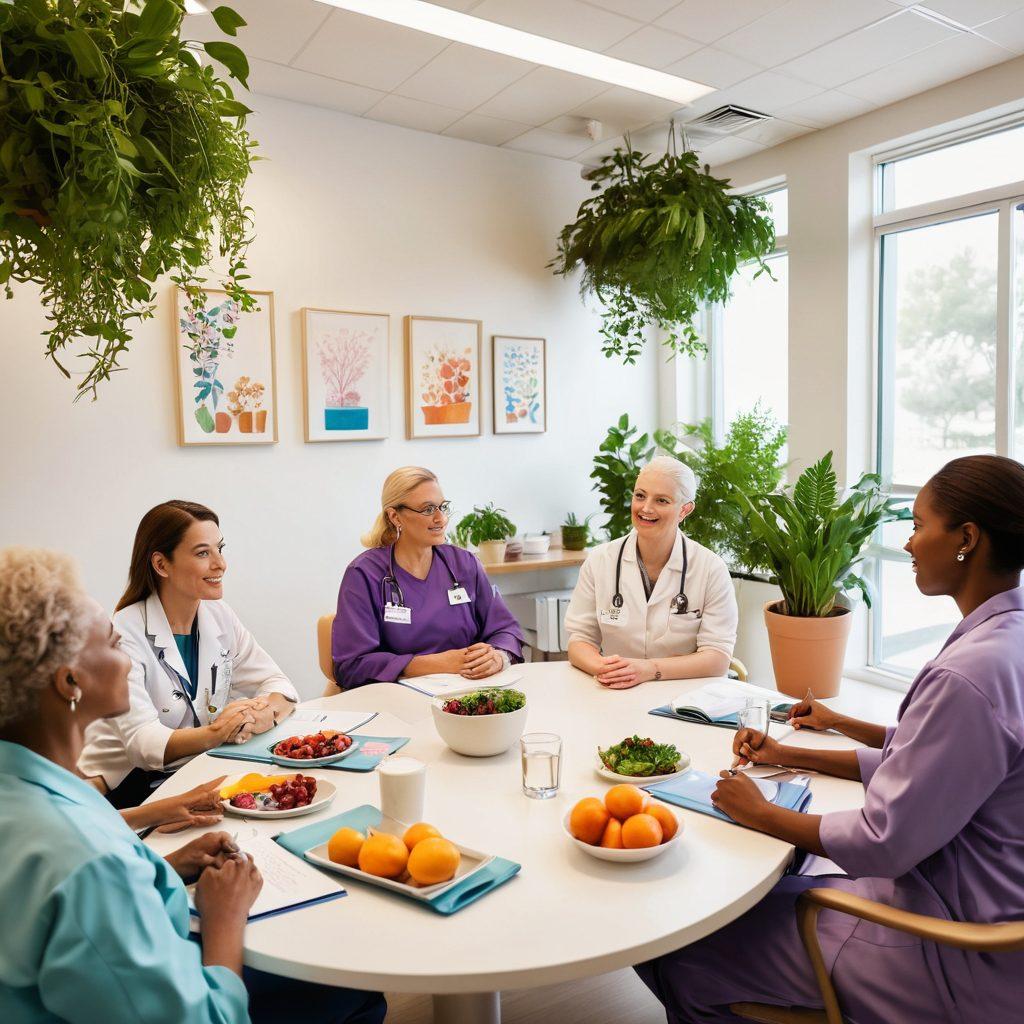
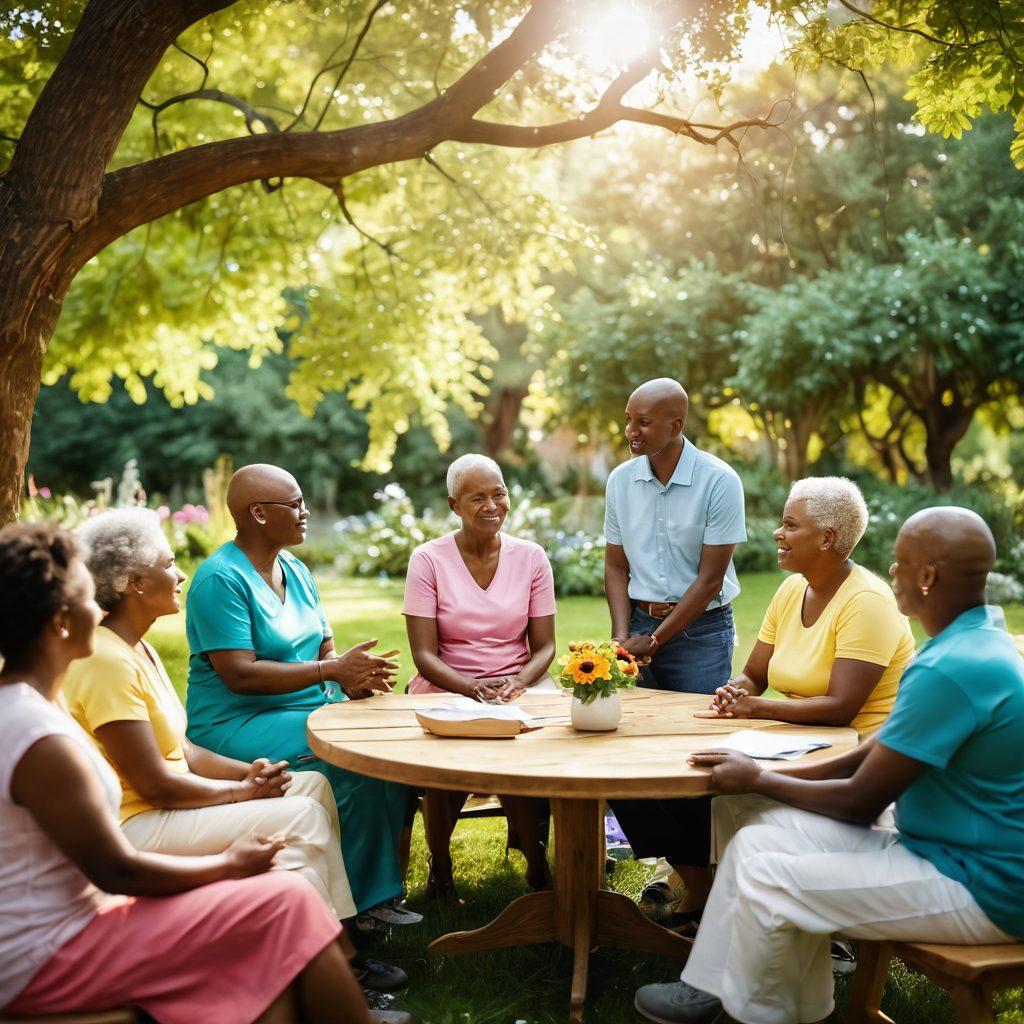
Navigating the Spectrum of Cancer Care: From Prevention to Survivorship
Cancer is not just a medical condition; it’s a profound journey that affects individuals, families, and communities. From the moment of a cancer diagnosis to the experiences of survivorship, each step of the way is filled with challenges and triumphs. The full journey encompasses a vast spectrum of cancer care which can be confusing yet crucial for those affected. How do we transition from preventive strategies to transforming our lives post-cancer treatment? Understanding this pathway is key to empowering patients and caregivers alike in navigating through the maze of healthcare.
Effective cancer prevention starts long before any diagnosis is made. Lifestyle changes can act as powerful deterrents against malignant tumor development. Engaging in regular physical activity, maintaining a balanced diet rich in nutritional therapy, and avoiding known carcinogens can significantly reduce your risk. But how many of us truly acknowledge the importance of cancer prevention? In a world where immediate solutions often overshadow preventive strategies, we should remind ourselves that proactive choices create a basis for well-being.
Once a patient receives a cancer diagnosis, fear and uncertainty can spawn countless emotions. It’s essential to understand the whole spectrum of cancer care options available, from surgery and radiation therapy to chemotherapy and immunotherapy. Each treatment comes with its own set of advantages and challenges, and patients must arm themselves with knowledge. Patient education becomes paramount; understanding the intricacies of each treatment can lay the groundwork for better decision-making. Sharing personal stories can also serve as a beacon of hope during such tumultuous times, illuminating the collective experience that unites many in their fight against cancer.
The journey doesn’t stop with treatment completion. Survivorship is a pivotal stage that brings its own set of challenges, including the psychological effects of cancer and its treatments. Palliative care may play a significant role here, focusing not just on managing symptoms, but on holistic health and emotional support. The role of therapeutic support, community support groups, and alternative medicine in a cancer survivor's journey are often underrated. How do these elements aid recovery, foster connection, and promote a broader understanding of cancer care?
Ultimately, cancer advocacy and awareness are crucial for creating an informed community. By sharing health blogs, survivorship stories, and personal experiences, we can help dismantle the stigma associated with cancer and inspire others to take charge of their health. Every conversation becomes an opportunity to promote cancer prevention and encourage individuals to be proactive about their health journey. Whether it's through impactful storytelling or educational resources, we all have a part to play in shaping the future of cancer care for ourselves and those around us.
The Spectrum of Oncology: Innovative Treatments and Holistic Approaches to Enhance Patient Care
The journey through cancer care is often portrayed as a daunting path filled with uncertainty and fear. However, understanding the spectrum of oncology can turn that journey into one of empowerment and hope. With innovative treatments and holistic approaches, enhancing patient care has never been more achievable. What if we told you that each step—from cancer prevention to survivorship—offers a unique opportunity for growth? Exploring the vast landscape of cancer care allows patients and caregivers alike to feel equipped and informed during such a challenging time.
When people hear the word ‘oncology’, they often envision sterile hospital rooms and lengthy chemotherapy sessions. But let’s dive deeper. Oncology is not just about treating malignant tumors; it’s about embracing the complete patient experience. From personalized cancer diagnosis to therapeutic support systems like palliative care, the scope of oncology extends well beyond the clinic. Have you ever considered how lifestyle changes can play a significant role not only in prevention but also in the healing process?
One compelling narrative lies within the innovative treatments available today: immunotherapy, chemotherapy, and even radiation therapy have all made significant strides. For instance, the magic of immunotherapy, which harnesses the body's immune system to fight tumors, has given many patients renewed hope. Yet, as powerful as these treatments may be, they are best complemented by a holistic health approach. How can we integrate alternative medicine and nutritional therapy alongside traditional treatments to promote well-being during the fight against cancer?
But the journey doesn’t end with treatment. Survivorship is a crucial aspect of the spectrum of care that often gets overshadowed. Cancer advocacy plays a dynamic role in ensuring survivors receive the necessary support, from engaging in support groups to utilizing patient education resources. Personal stories shared within these communities can uplift and inspire others who feel isolated in their fight. Have you connected with anyone who understands your journey? The strength found in shared experiences can be pivotal in rebuilding lives after a cancer diagnosis.
Finally, community support is essential for those navigating this complex landscape. Health blogs often serve as valuable platforms for knowledge sharing and inspiration, where patients can discover stories of resilience and hope. The path to enhanced cancer care is not just about cutting-edge medicine; it’s about fostering connections that promote healing and understanding. As we cultivate a dialogue about the various aspects of cancer care, we empower ourselves and others to embrace every moment of this spectrum of care. How will you take the next step towards improved cancer care and well-being?
Empowering Patients: The Role of Advocacy, Support Groups, and Lifestyle Changes in Cancer Care
Navigating the journey of cancer care can feel like wandering through a dense forest without a map. The highs and lows are akin to a rollercoaster ride, filled with uncertainty and the occasional ray of hope. Yet, amidst this daunting landscape lies a powerful force: empowerment. By leveraging cancer advocacy, joining support groups, and embracing lifestyle changes, patients can illuminate their path from cancer diagnosis to survivorship. As the saying goes, 'What doesn’t kill you makes you stronger.' How do you harness that strength in the face of oncology’s challenges?
In the complex realm of healthcare, knowledge truly is power. Advocacy plays a pivotal role in educating patients about their options for cancer care. From understanding the different modalities like chemotherapy and radiation therapy to exploring promising avenues such as immunotherapy, informed patients are often empowered patients. This empowerment extends beyond the clinical aspects; it’s about navigating the emotional toll that confronting a malignant tumor can impose. Turning your story into a voice of advocacy—whether through health blogs or community support—can uplift not just yourself but others facing similar battles. Have you considered sharing your journey to inspire someone else?
Support groups serve as lifelines for many navigating through the emotional turbulence of cancer. They provide a safe space for personal stories, where laughter and tears intermingle. Each shared experience strengthens the fabric of hope within cancer care. These gatherings often become a source of therapeutic support, reminding participants that they are not alone. According to a study, those engaged in support groups reported increased wellbeing and better emotional health. Imagine the strength derived from knowing that others are walking the same path you are. How might connecting with others transform your outlook on your situation?
In tandem with emotional support, lifestyle changes can catalyze hope and healing. Cancer prevention is increasingly linked to holistic health approaches, such as nutritional therapy, exercise, and stress management techniques. Studies show that certain lifestyle adjustments can enhance the effectiveness of treatments and improve survivorship outcomes. Maintaining a healthy diet, engaging in physical activity, and practicing mindfulness techniques are just a few examples of how one can embrace an active role in their health journey. Are there small changes you can incorporate into your routine to foster a healthier life?
The spectrum of care from cancer prevention to survivorship encompasses more than just clinical interventions; it’s a multidimensional journey characterized by advocacy, support, and lifestyle changes. As patients step into this landscape empowered with knowledge and community support, they can redefine their relationship with cancer. By fostering connections through support groups, advocating for their own needs, and prioritizing holistic health, patients take significant strides toward reclaiming their lives. So, what’s your next step in this journey? Take charge, connect with your community, and advocate for your health—because you are not just a patient; you are a survivor in the making!